Why Some Tattoos Fade Faster Than Others

Tattoos are meant to be permanent marks of self-expression, but many people notice their ink fading over time. Some tattoos lose their sharpness and vibrancy faster than others, leaving wearers wondering why. Understanding why tattoos fade involves looking at several factors, including where the tattoo is placed on the body, exposure to sunlight, how well the tattoo is cared for, the need for touch-ups, and the artist’s technique. This post explains these causes clearly, helping you protect your tattoo and keep it looking fresh longer.

How Tattoo Ink Works and Why It Fades
Tattoo ink is deposited into the dermis, the second layer of skin, where it stays trapped inside cells called fibroblasts. Over time, the body’s immune system slowly breaks down some of the ink particles, which causes fading. The size and quality of the ink particles also affect how long the tattoo stays vibrant. Smaller particles tend to fade faster because they are easier for the immune system to remove.
Fading is a natural process, but it can be accelerated by external and internal factors. The ink’s depth in the skin, the type of pigment used, and the tattoo’s exposure to damaging elements all play a role.
Body Placement and Its Effect on Tattoo Longevity
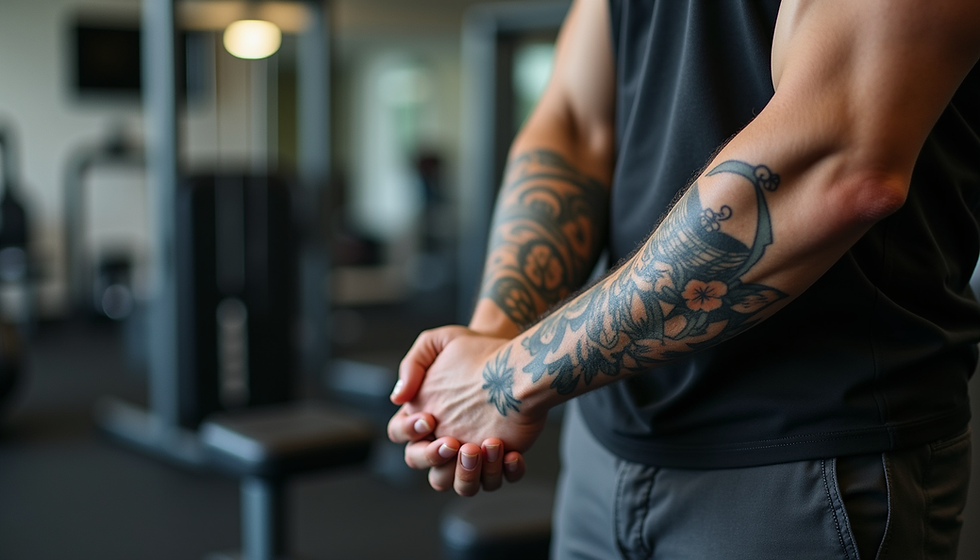
Where a tattoo is placed on the body significantly influences how quickly it fades. Areas with more friction, movement, or thinner skin tend to lose ink faster.
Hands and Fingers: Tattoos here fade quickly because the skin is thin and constantly rubbed by daily activities like washing hands or wearing gloves.
Feet and Ankles: These spots experience frequent friction from shoes and socks, causing faster fading.
Elbows and Knees: These joints stretch and bend often, which can break down the ink and blur the design.
Upper Arms and Back: These areas usually retain ink longer because the skin is thicker and less exposed to constant friction.
Understanding your tattoo’s location helps set realistic expectations about how it will age.
The Impact of UV Exposure on Tattoo Fading
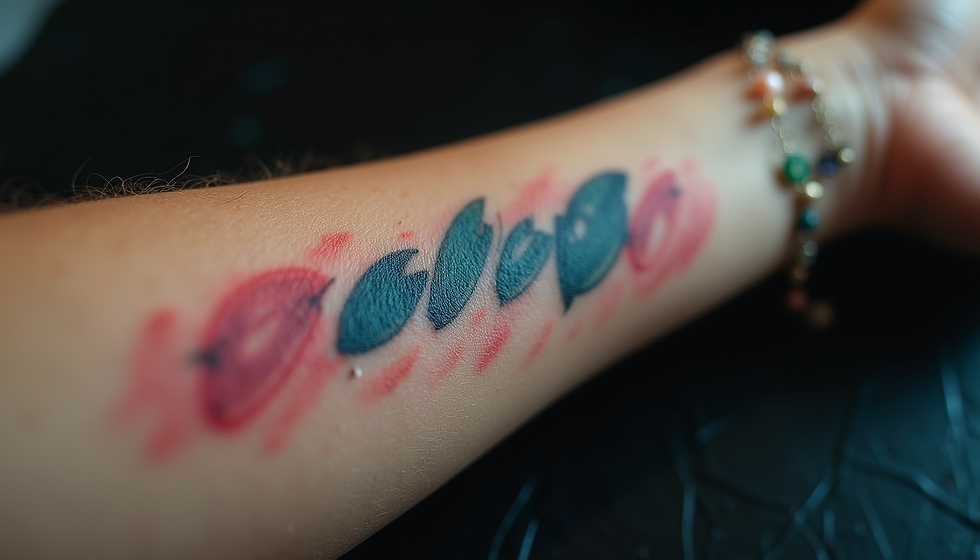
Sunlight is one of the biggest enemies of tattoo longevity. Ultraviolet (UV) rays break down tattoo pigments, causing colors to fade and outlines to blur. This effect is especially strong on bright colors like red, yellow, and white.
Direct Sunlight: Tattoos exposed to direct sunlight daily will fade faster.
Tanning Beds: Artificial UV light also damages tattoos and accelerates fading.
Lack of Protection: Not using sunscreen on tattoos increases the risk of color loss.
To protect your tattoo, apply a broad-spectrum sunscreen with at least SPF 30 whenever your tattoo is exposed to the sun. Wearing protective clothing over the tattooed area also helps reduce UV damage.
Aftercare and Its Role in Preventing Fading
Proper aftercare is crucial in the first few weeks after getting a tattoo. The skin is healing and vulnerable, so how you treat it affects the tattoo’s final appearance and longevity.
Keep It Clean: Gently wash the tattoo with mild soap and water to prevent infection.
Moisturize: Use fragrance-free lotion to keep the skin hydrated and promote healing.
Avoid Picking or Scratching: Scabs protect the tattoo while it heals; picking them off can pull out ink.
Avoid Soaking: Stay away from swimming pools, hot tubs, and long baths during healing.
Limit Sun Exposure: Fresh tattoos are especially sensitive to UV rays.
Failing to follow aftercare instructions can cause scarring or uneven ink retention, leading to premature fading.
Why Touch-Ups Are Necessary
Even with the best care, tattoos can fade over time. Touch-ups help restore color and sharpness, especially for tattoos in high-friction areas or those exposed to sunlight regularly.
When to Get a Touch-Up: Usually 6 to 8 weeks after the initial tattoo session, once the skin has fully healed.
Frequency: Some tattoos may need touch-ups every few years to maintain vibrancy.
Cost and Commitment: Touch-ups are part of owning a tattoo and should be factored into the long-term care plan.
Touch-ups are an opportunity to fix any fading or patchiness and keep your tattoo looking its best.
How Artist Technique Influences Tattoo Fading
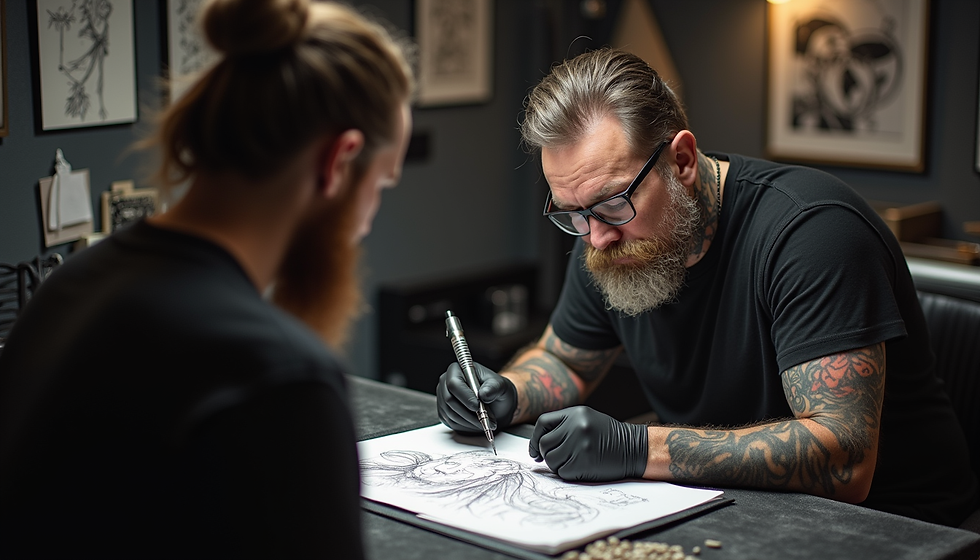
The skill and technique of the tattoo artist play a major role in how well a tattoo ages.
Ink Depth: Experienced artists place ink at the right depth in the dermis. Too shallow causes early fading; too deep can cause blurring.
Ink Quality: Professional artists use high-quality inks that last longer and resist fading.
Line Work and Shading: Clean lines and proper shading techniques help maintain the tattoo’s clarity over time.
Skin Type Consideration: Skilled artists adjust their technique based on the client’s skin type and body area to improve ink retention.
Choosing a reputable artist with a strong portfolio reduces the risk of premature fading.
Practical Tips to Keep Your Tattoo Vibrant
Always apply sunscreen on exposed tattoos.
Avoid excessive friction on tattooed skin.
Follow aftercare instructions carefully.
Schedule touch-ups as needed.
Choose a skilled artist for your tattoo.
By understanding these factors, you can take better care of your tattoo and enjoy its beauty for many years. Call us at All City Tattoo to schedule an appointment with me.